Ex Vivo Exploration
Our goal is to better understand how kidneys work by maintaining them outside the body in a way that closely mimics normal human conditions. This allows us to improve kidney transplantation outcomes, investigate complex biological questions, and test new therapies directly on the kidney without risk to patients.
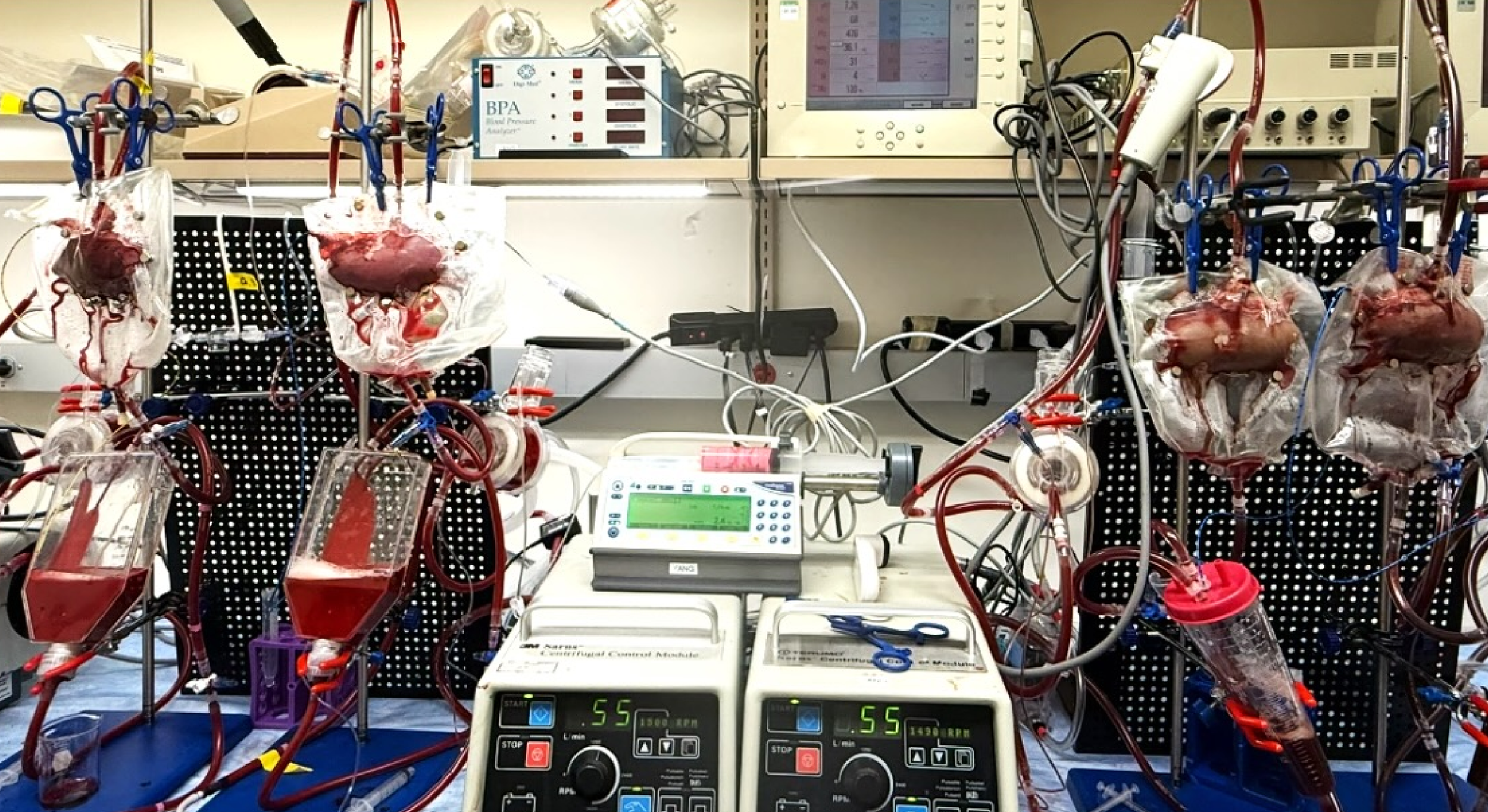
Our interestsNormothermic Ex Vivo Kidney Perfusion
The ability to keep kidneys alive outside the body has potential applications for organ preservation, assessment, and repair. We have developed a normothermic perfusion system and a large animal autotransplantation model (putting kidneys back into the body after perfusion) to examine how ex vivo perfusion can impact kidney function.
Gene Editing in Human Kidneys
There are more than 500 monogenic causes of human kidney disease. Our long-term goal is to develop a way to cure these diseases using gene editing. Given the numerous technical and biological challenges associated with the development of targeted in vivo delivery (e.g. liver accumulation, off-target effects, and toxicity), we hypothesize that an ex vivo approach could unlock new possibilities.
Blood Substitutes and Alternative Oxygen Carriers for Organ Perfusion
There is a great need to develop an alternative to red blood cells as a life-sustaining oxygen carrier. To overcome this challenge, we have identified a naturally occurring acellular oxygen carrier that holds promise due its molecular stability, favorable oxygen-binding profile, and natural abundance. We aim to use normothermic ex vivo kidney perfusion to evaluate the organ-sustaining properties of this material and optimize a formulation for kidney perfusion.
Urologic Diseases Across the Human Lifespan
How do our kidney and bladder health change as we age? We have partnered with our patients at UCHealth and Children’s Hospital Colorado to build a surgical biobank that helps us investigate the mechanisms of urologic diseases in children and adults.
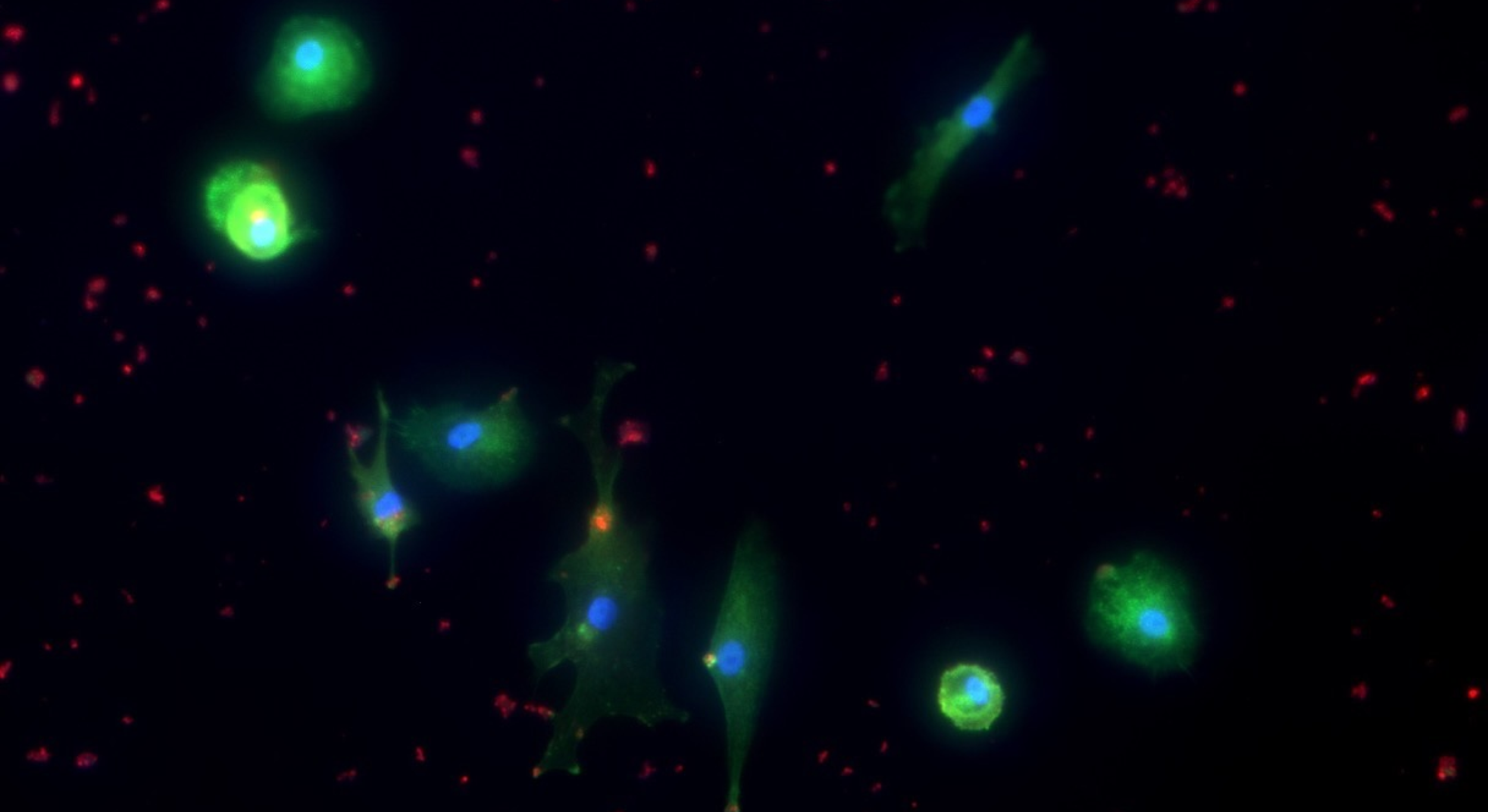
Our interestsThe Biology of Randall’s Plaques
Kidney stones typically begin with small calcium deposits in the kidney called Randall’s plaques. These plaques form before stones develop, but we still do not fully understand why they appear. Early research suggests that immune cells called macrophages, which normally help control inflammation and healing, may play an important role in forming these deposits. These cells are often found near Randall’s plaques and can influence calcium buildup in the kidney. Our goal is identify where these macrophages come from, understand how they behave, and determine how they contribute to plaque formation. By better understanding Randall’s plaque formation, our goal is to discover new ways to prevent kidney stones before they form.
The Role of Endotoxin in Urosepsis
Each year in the United States, hundreds of thousands of patients undergo endoscopic procedures to treat conditions such as kidney stones, tumors, and scar tissue. While these surgeries are generally safe, some patients may develop a serious and potentially life-threatening complication called sepsis. Unlike typical sepsis, which is caused by bacteria spreading into the bloodstream, sepsis after kidney surgery often occurs without detectable bacteria in the blood and is not reliably prevented by antibiotics, leaving its cause unclear. One possible explanation is that endoscopic surgery forces bacterial toxins, called endotoxins, into the bloodstream, triggering a strong inflammatory response even after bacteria have been killed. If true, this would suggest that simple changes to surgical technique could reduce the risk of sepsis. To address this gap in understanding, we are examining how endotoxin levels in patients relate to sepsis after surgery.
Redefining Standards of Care
We are translating research discoveries into better care for patients. From expediting kidney stone care to improving organs for transplantation, from clinical trials to surgical innovation, our mission is to improve how patients with kidney conditions are treated.
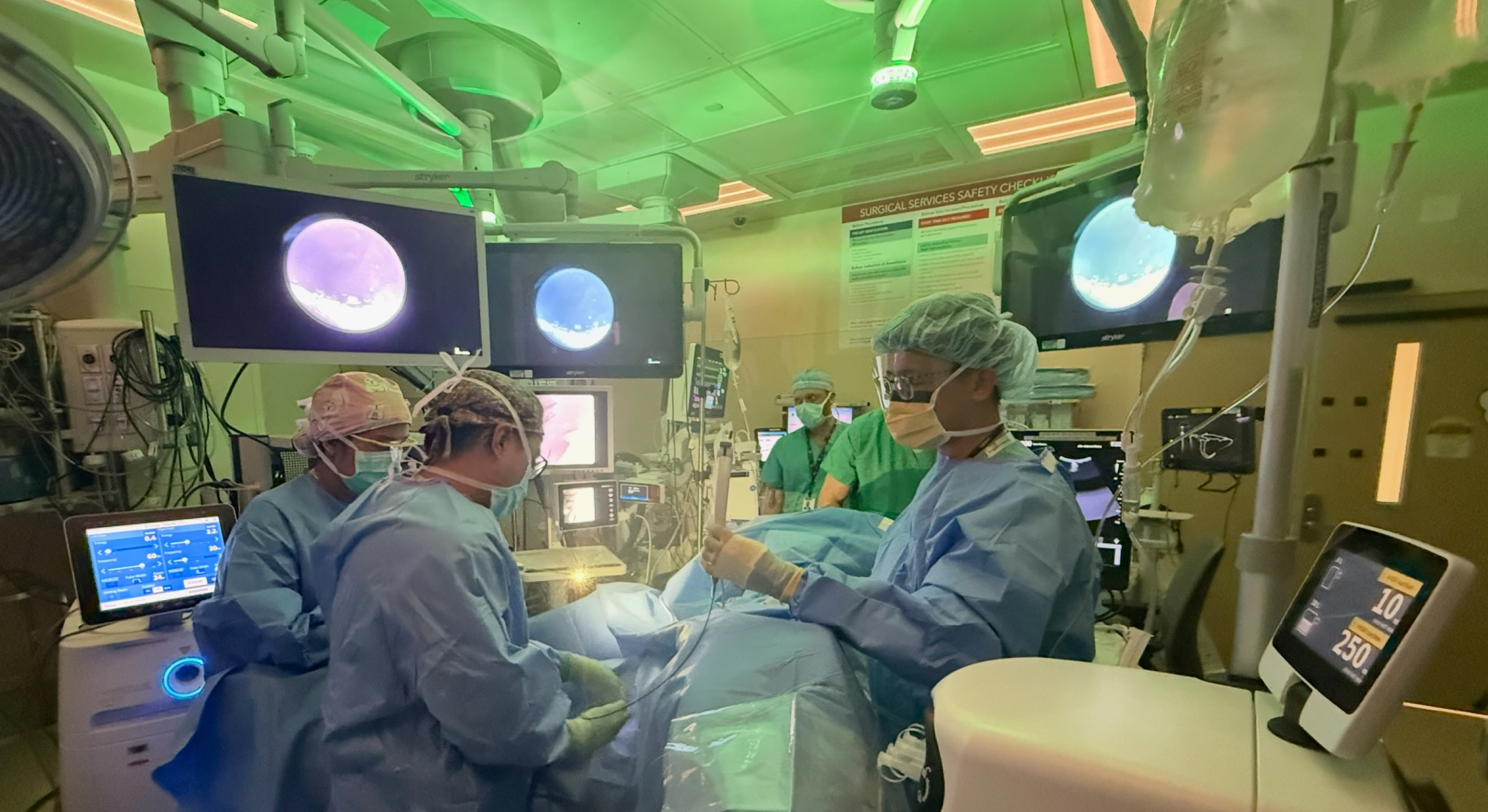
Our interestsTreat now or later? The UPURS (Upfront Ureteroscopy) Trial for Symptomatic Kidney Stones
Kidney stone episodes account for more than a million emergency visits each year in the US. Current guidelines don’t clearly say whether patients should try to pass stones naturally or have them removed right away, so the timing of surgical treatment is often driven by doctors’ preferences, insurance status, or availability hospital resources rather than patient needs. Early evidence suggests that removing stones sooner can reduce pain, complications, and disruptions to daily life, but high quality evidence to support this practice is lacking. We designed this clinical trial to directly compare immediate intervention (upfront ureteroscopy) with conservative management (trial of passage) in patients with symptomatic stones, focusing on which option truly benefits patients. We are also identifying ways to make upfront treatment more accessible and consistently offered. The goal is to ensure care is fair, patient-centered, and evidence-based.
Building back-to-base better for organ transplantation
By extending organ viability and providing a critical window for evaluation, normothermic machine perfusion of deceased donor organs is emerging as the standard of care in transplantation. In partnership with the University of Colorado Transplant Center, we have launched the COREV (Colorado Organ REVitalization) program to establish a “back-to-base” organ perfusion hub within an academic hospital serving multiple states across the Rocky Mountain region. Our goal is to make normothermic perfusion accessible for all deceased donor organs, ensuring that each has the best possible chance to improve a patient’s life long-term.